
Margin for Error : Rules-Based Systems of Painting and the Anticipation of Irregular Outcomes.

|


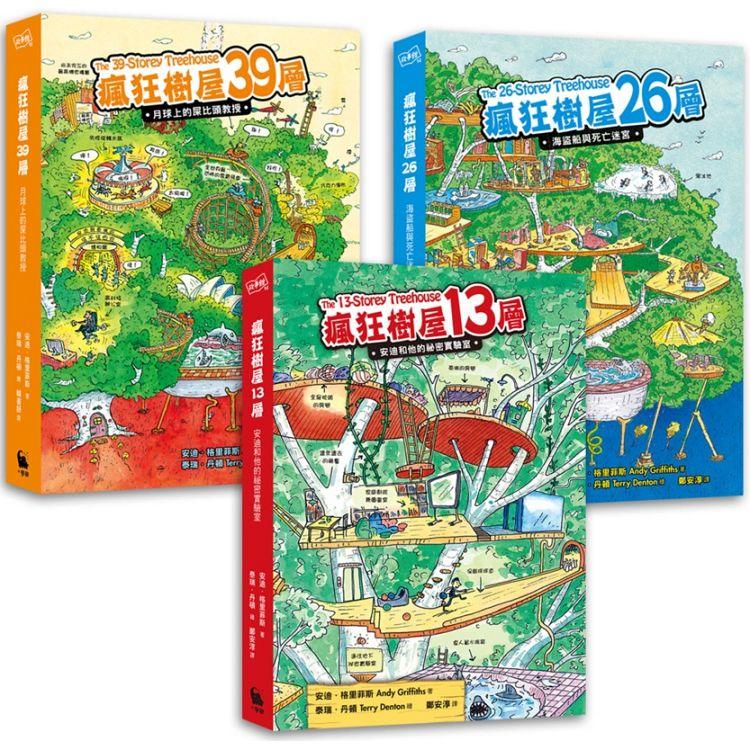
文化部中小學生優良課外讀物評選全世界小孩瘋狂喜愛、老師家長熱烈推薦系列銷量突破 10,000,000 冊前進月球、祕密實驗、甲板決鬥、鯊魚手術……超乎想像的的樹屋大冒險都在這裡 =系列特色=★翻譯為二十五種語言版本。★榮獲澳洲書業年度童書獎、ABIA青少年讀物獎、APA童書書本設計獎、COOL最佳小說獎、KOALA最佳小說獎、KROC青少年小說獎、YABBA最佳小說獎、比利時荷語兒童評審年度童書獎、西澳大利亞青少年圖書獎等多項大獎。★改編舞台劇登上雪梨歌劇院,美國小學巡迴說書熱烈大爆場。=內容簡介=瘋狂樹屋13、26,一路蓋到39層!《瘋狂樹屋13層:安迪和他的祕密實驗室》安迪和泰瑞擁有世界上最瘋狂的樹屋,而且還有十三層那麼高!樹屋裡充滿了令人意想不到的各種新奇玩意。除此之外,在樹屋裡最神奇的是能研發出任何神祕機器的「地下實驗室」!泰瑞在地下室製造出巨型香蕉,沒想到卻是接二連三災難的開始。香蕉引來調皮搗蛋的不速之客,甚至,樹屋面臨倒塌的危險!是誰想要破壞他們的祕密基地?安迪和泰瑞能安全度過危機嗎?《瘋狂樹屋26層:海盜船與死亡迷宮》鯊魚池的鯊魚發生異狀!原來是因為他們不小心吞了泰瑞的臭內褲,必須進行一場緊急手術。然而,這場手術竟意外讓沉眠多年的海盜船長「木頭木腦」復活了!復活的船長召集他的海盜伙伴,綁架了安迪、泰瑞和好鄰居吉兒!他們能夠成功擊退整個海盜軍團,回到溫暖的樹屋嗎?《瘋狂樹屋39層:月球上的屎比頭教授》顧著玩耍的安迪和泰瑞忘了寫新書,眼看著大鼻子先生又要大發雷霆,幸好,安迪發明了會自動寫書的「從前的時光機」!他們只要躺著等機器寫完書就行。沒想到機器卻獨占新書,甚至將安迪和泰瑞趕出樹屋!安迪和泰瑞趕緊向住在月球上的屎比頭教授求助,屎比頭教授能夠倒退時光,消滅任何動物、植物,甚至非生物的發明,是最偉大的「消除發明家」!結果……不只從前的時光機,他們的樹屋,甚至整個地球都將消失在屎比頭教授手下!安迪與泰瑞能在一切消失之前阻止教授嗎? 安迪.格里菲斯Andy Griffiths澳洲最暢銷的童書作家。格里菲斯想像力豐富,獨特的幽默感令大人小孩都風靡不已。連續二十年來,格里菲斯的作品都獲選《紐約日報》最暢銷圖書,銷售遍及全世界,至今已經有超過五百萬冊的銷量,得到超過五十項兒童選書獎。著名的「就是!」系列和「屁股爆炸」系列皆被改編為影集。最新作品【瘋狂樹屋】系列也改編為舞台劇,在雪梨歌劇院登台演出。相關著作:《瘋狂樹屋130層:宇宙盃星際大戰(全球獨家限量贈品:衝破天際便條紙)》《瘋狂樹屋117層:超級故事大冒險》《瘋狂樹屋104層:安迪的牙齒非常痛》《瘋狂樹屋91層:潛入海底兩萬哩》譯者簡介鄭安淳台大外文系畢業,師大譯研所肄。審書者與自由譯者。韓書妍法國蒙貝里耶第三大學(Université PaulValéry)造型藝術系畢。旅居法國九年,念著一個沒人知道在搞什麼名堂的領域。目前定居台灣,為仰賴鍵盤維生的文字工作者。繪者簡介泰瑞.丹頓Terry Denton主要擔任童書插畫,本身也著有超過三十部童書作品。安迪.格里菲斯和泰瑞.丹頓已經是合作了二十年的超級拍檔,他們的共同作品包括曾經改編為卡通影集的「就是!」系列、得過多項大獎的「壞壞書」系列,以及現在最新的「瘋狂樹屋」系列。
此功能為會員專屬功能請先登入
此功能為會員專屬功能請先登入
此功能為會員專屬功能請先登入
此功能為會員專屬功能請先登入
|
|
| ||||||||||||||||||||||||||||||||||||||||||||||||||||||||||||||||||||||||||||||||||||||||||||||||||||||||||||||||||||
館藏書目查詢 > 書目資料
 借閱次數
:
借閱次數
: 
 點閱:5
點閱:5
 評分:0
評分:0
 評論:0
評論:0
 引用:0
引用:0

